2026 Water Pump Industry Development Trend Analysis
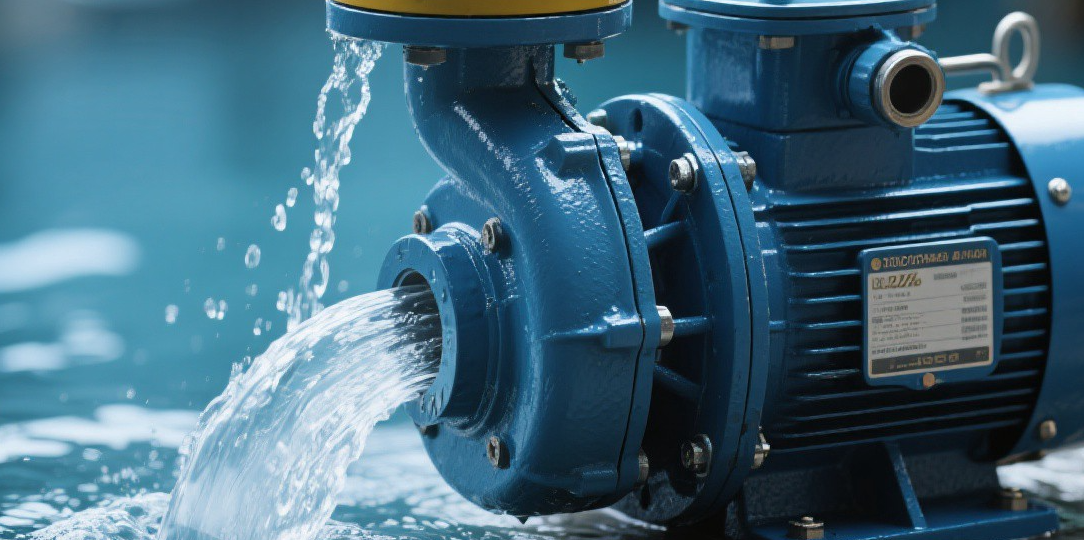
The water pump industry will focus on mandatory energy efficiency upgrades, intelligent penetration, high-end domestic substitution, and the explosion of emerging scenarios. Driven by policies, technology, and market, the industry has entered a structural upgrading cycle.
The water pump industry will focus on mandatory energy efficiency upgrades, intelligent penetration, high-end domestic substitution, and the explosion of emerging scenarios. Driven by policies, technology, and market, the industry has entered a structural upgrading cycle. I. Core Policies and Market Scale (2026 Key Nodes) Mandatory energy efficiency standards: GB19762-2025 "Centrifugal Pump Energy Efficiency Limit Values and Energy Efficiency Grades" implemented on March 1, 2026, unifying clean water/chemical pump testing standards, eliminating 10%-45% of inefficient production capacity, and reducing pump energy consumption in the petrochemical industry by an estimated 15%-20%. Market scale: China's overall market is about 250-260 billion yuan, with a year-on-year growth of 7%+; high-efficiency and energy-saving pumps have a compound annual growth rate of over 12%; intelligent water pumps account for 22%, with a scale of about 43.5 billion yuan; liquid cooling pump market is about 4-5 billion yuan, with growth rate exceeding 100%. Exports: Southeast Asia, Middle East, and Africa are the main growth areas, with Vietnam, Saudi Arabia, and Nigeria accounting for 43.7% of exports. II. Four Core Development Trends 1. Green Energy Saving: From Compliance to Growth Engine (Strongest Main Line) Product side: Level 1 energy efficiency pumps become standard, high-efficiency pumps save 12,000 kWh of electricity annually, investment payback period 2-3 years; magnetic levitation, permanent magnet synchronization, and integrated frequency conversion become mainstream technologies. Policy side: Mandatory implementation of energy efficiency labels, sales prohibited for non-compliant products; high-efficiency pump projects receive up to 30% equipment investment subsidies. Application side: The proportion of high-efficiency pumps in sewage treatment plants increases from 30% to 60%; industrial high-energy-consuming industries (steel, chemical) enter peak stock replacement. 2. Intelligence: From Hardware to Digital Terminal (Rapid Penetration Rate Improvement) IoT+AI: Multi-parameter sensors embedded in pump bodies, real-time monitoring of flow/pressure/vibration, AI predictive maintenance, shortened fault response time, and reduced leakage rate. Digital twin: Virtual simulation optimizes design, shortens R&D cycle, and further reduces energy consumption. Value: Intelligent pumps have a premium of about 40%, and old pump room renovations save 20%-30% energy. 3. High-end Breakthrough and Domestic Substitution (Structural Opportunities) High-end market: API pumps, nuclear power pumps, semiconductor-specific pumps, deep-sea pumps have high import dependence, domestic share less than 5%, accelerated breakthrough in 2026. Material revolution: Applications of titanium alloys, PEEK, nano-coatings, etc., solve problems of corrosion resistance, wear resistance, zero leakage, and high temperature resistance. Typical cases: Zero-leakage canned pumps (97% efficiency, 250℃ resistance), magnetic levitation liquid cooling pumps (efficiency > 90%, 100,000-hour lifespan) gradually replace imports. 4. Explosion of Emerging Scenarios (New Growth) AI computing power/liquid cooling: Single cabinet power exceeds 100kW, liquid cooling becomes a rigid demand, liquid cooling penetration rate exceeds 50% in 2026, liquid cooling pumps become core components. New energy: Surge in demand for pumps supporting photovoltaic/wind power/energy storage, and hydrogen energy transfer pumps. Municipal and environmental protection: Urban waterlogging control, rural sewage treatment, and seawater desalination drive demand for submersible pumps, sewage pumps, and special pumps. III. Competitive Landscape and Business Model Evolution Increased concentration: CR5 rises from 38% to 45%, leading enterprises squeeze small and medium-sized manufacturers with technical, scale, and service advantages. Brand differentiation: International brands (Grundfos, KSB) dominate high-end; domestic brands break through in mid-end, segmented, and cost-effective markets. Service-oriented transformation: From selling equipment to system solutions + full life cycle services (managed operation and maintenance, predictive maintenance, recycling and remanufacturing), service revenue accounts for 15%-18%. IV. 2026 Investment and Layout Key Points Priority layout: Four high-growth tracks of level 1 energy efficiency pumps, intelligent pumps, liquid cooling pumps, and high-end special pumps. Technical barriers: Permanent magnet synchronization, magnetic levitation, non-sealing, digital twin, and AI algorithms are core competencies. Market strategy: Bind municipal, industrial, data center, and new energy key customers, provide integrated 'equipment + system + service' solutions. Risk reminders: Energy efficiency standard enforcement intensity, raw material price fluctuations, high-end technology breakthroughs falling short of expectations.